Words on Geoffrey Bawa, the architect who redefined building in the tropics.



.webp)
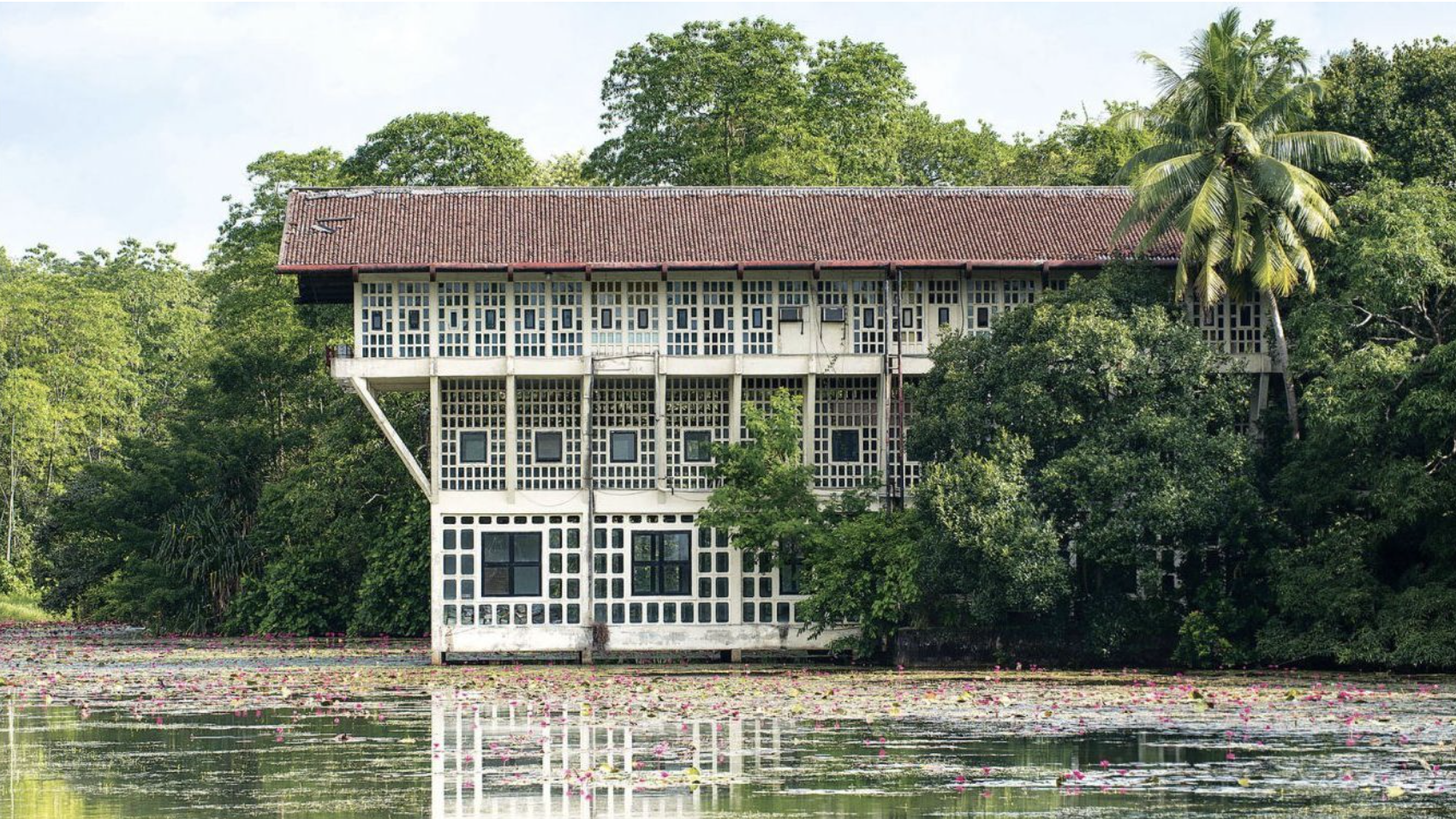

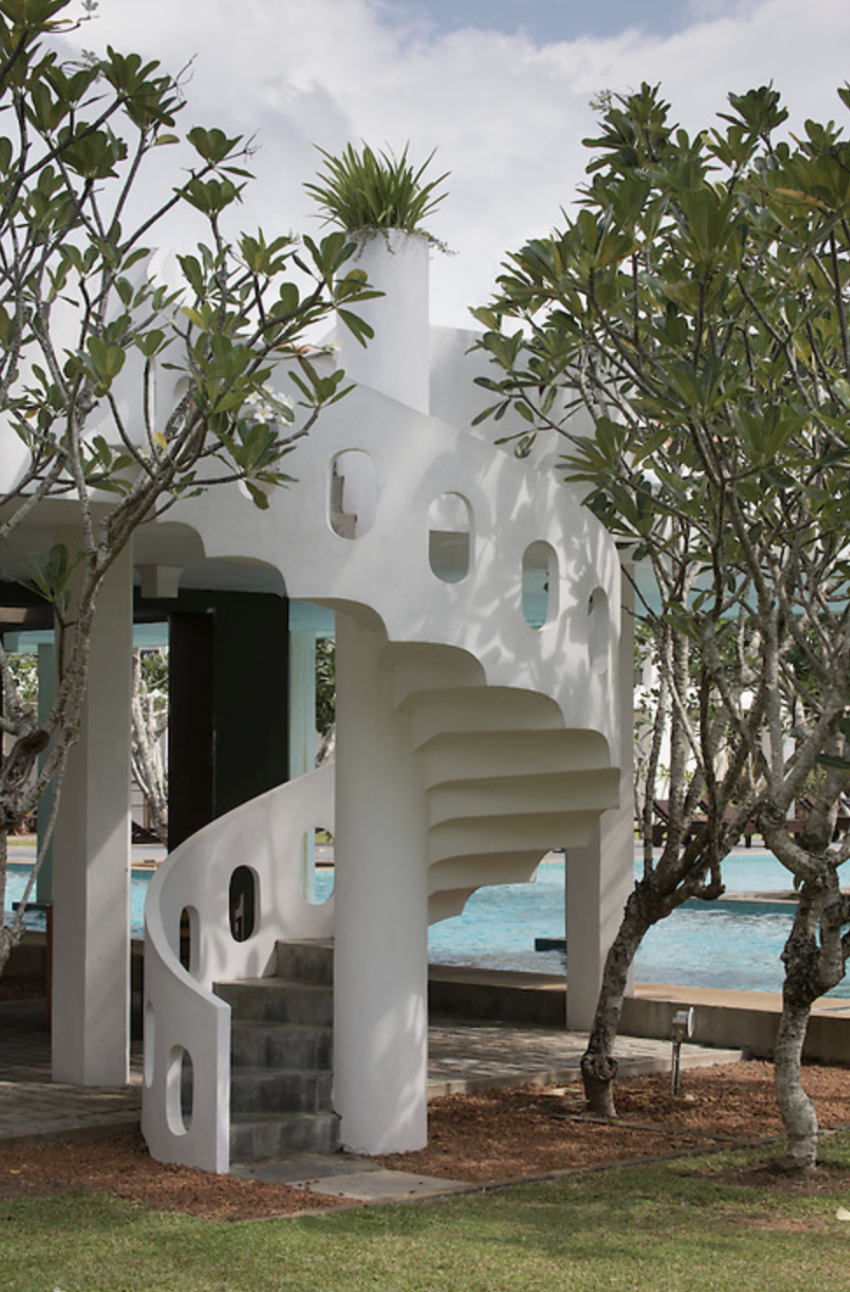
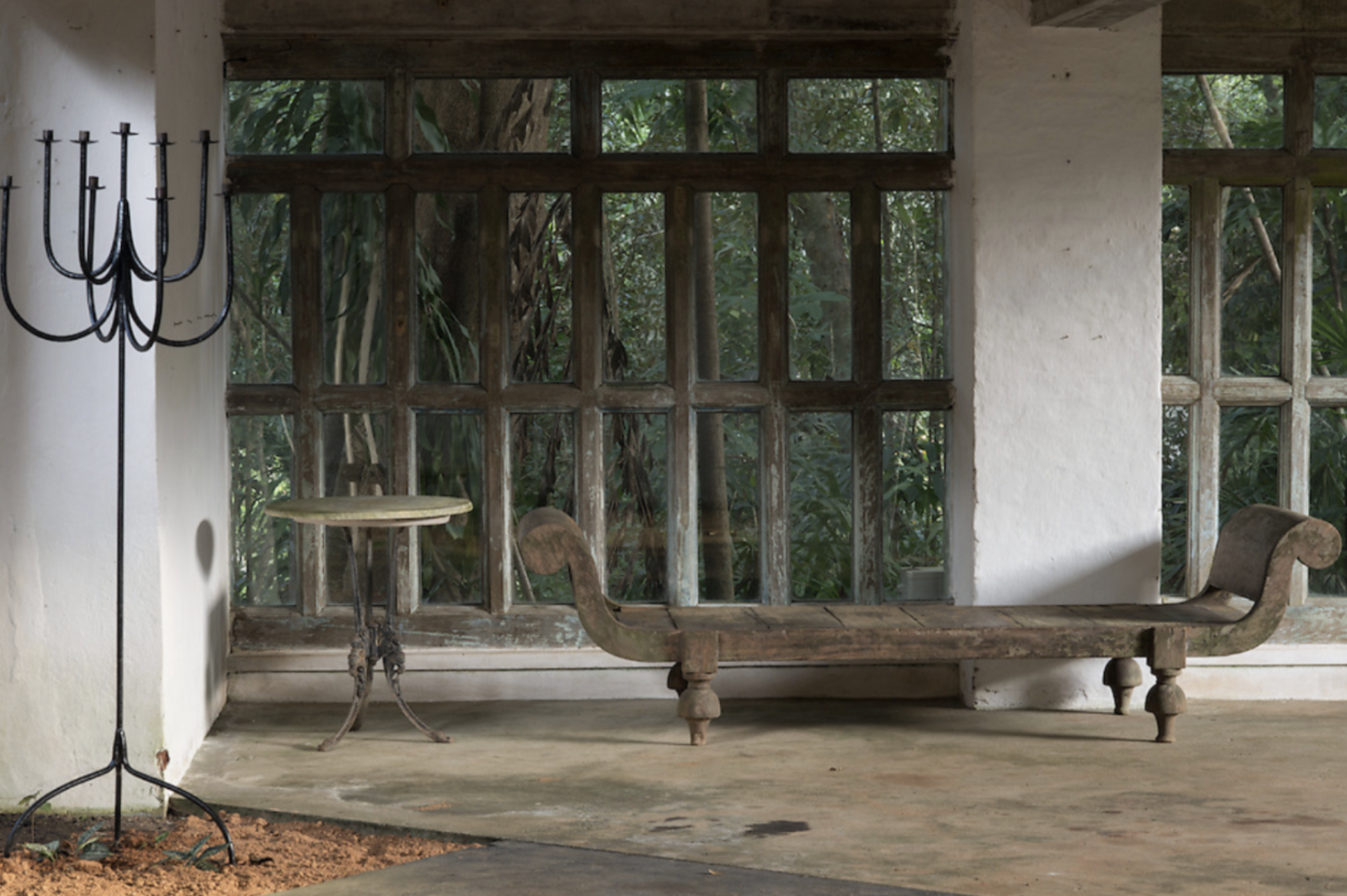
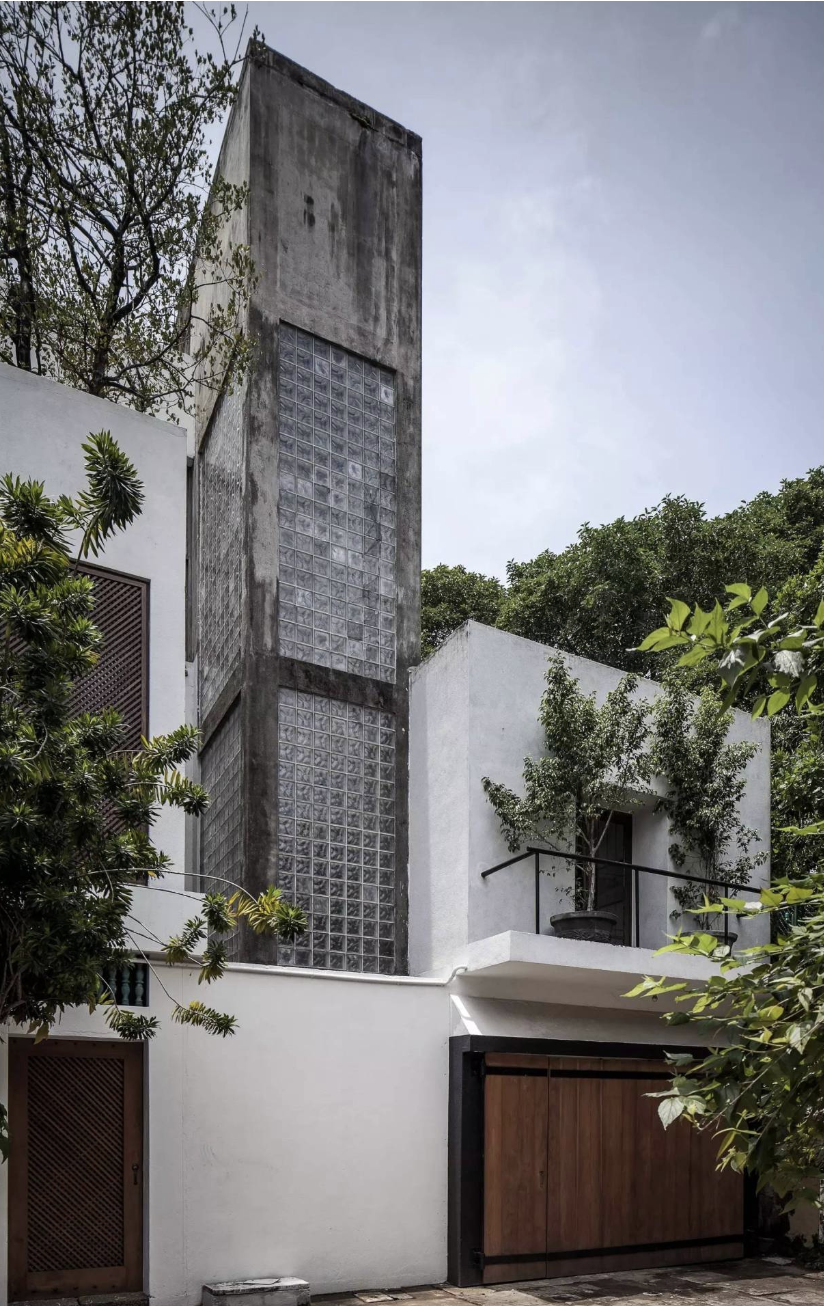
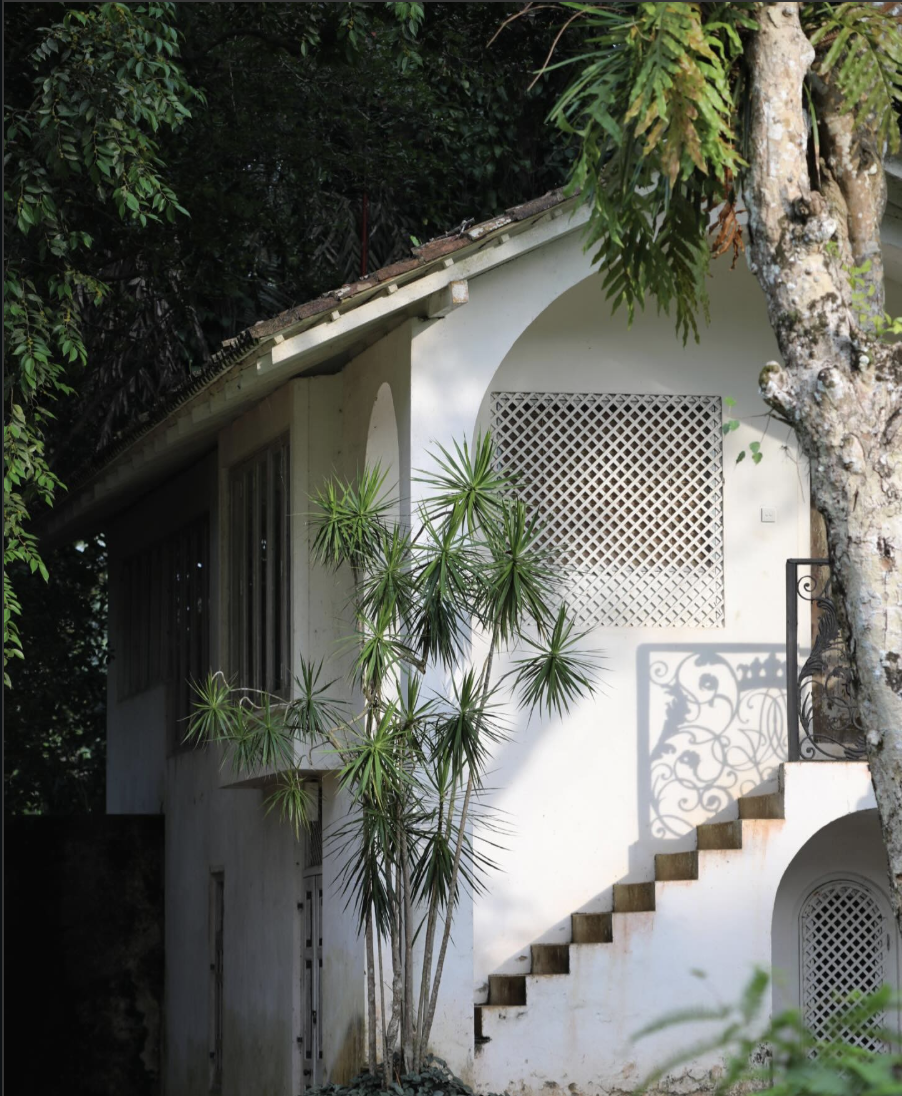
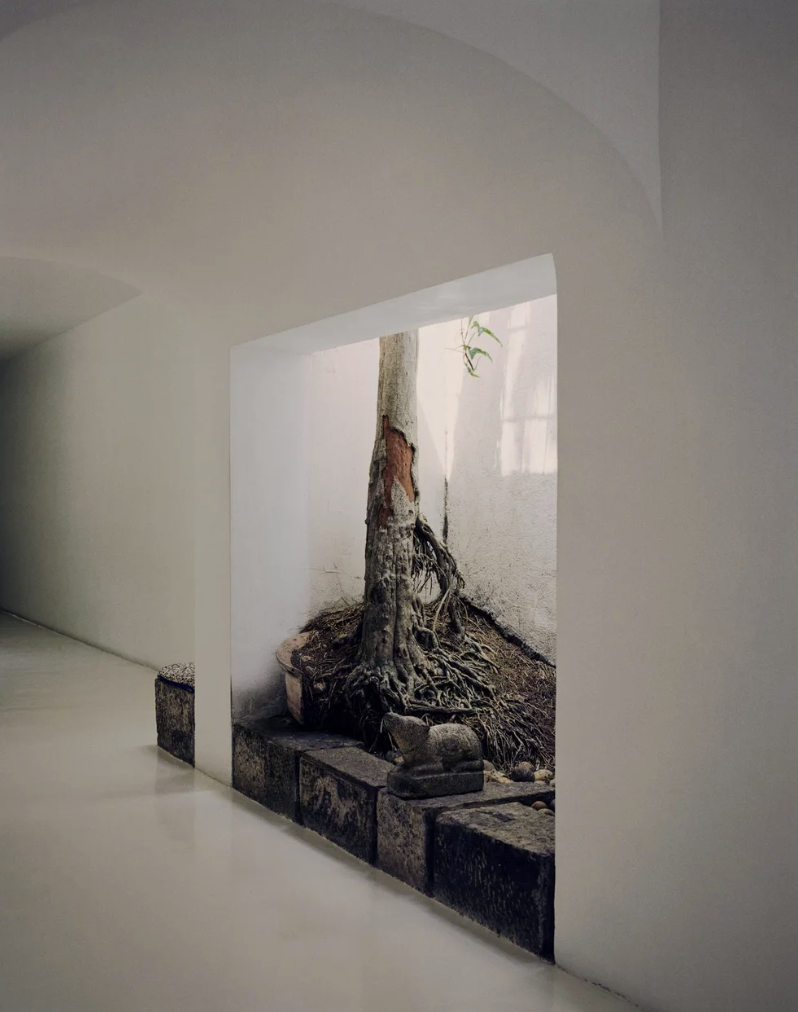
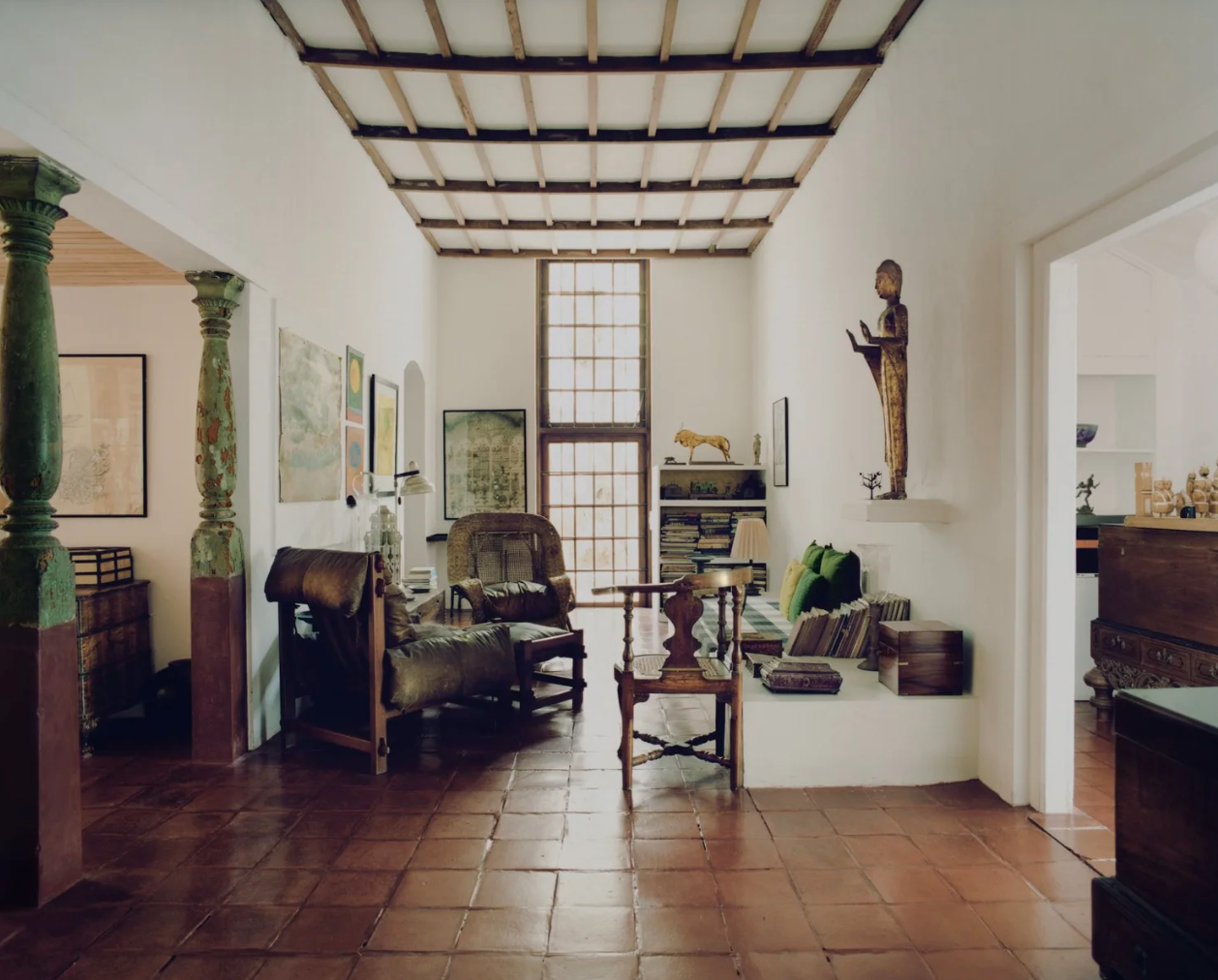
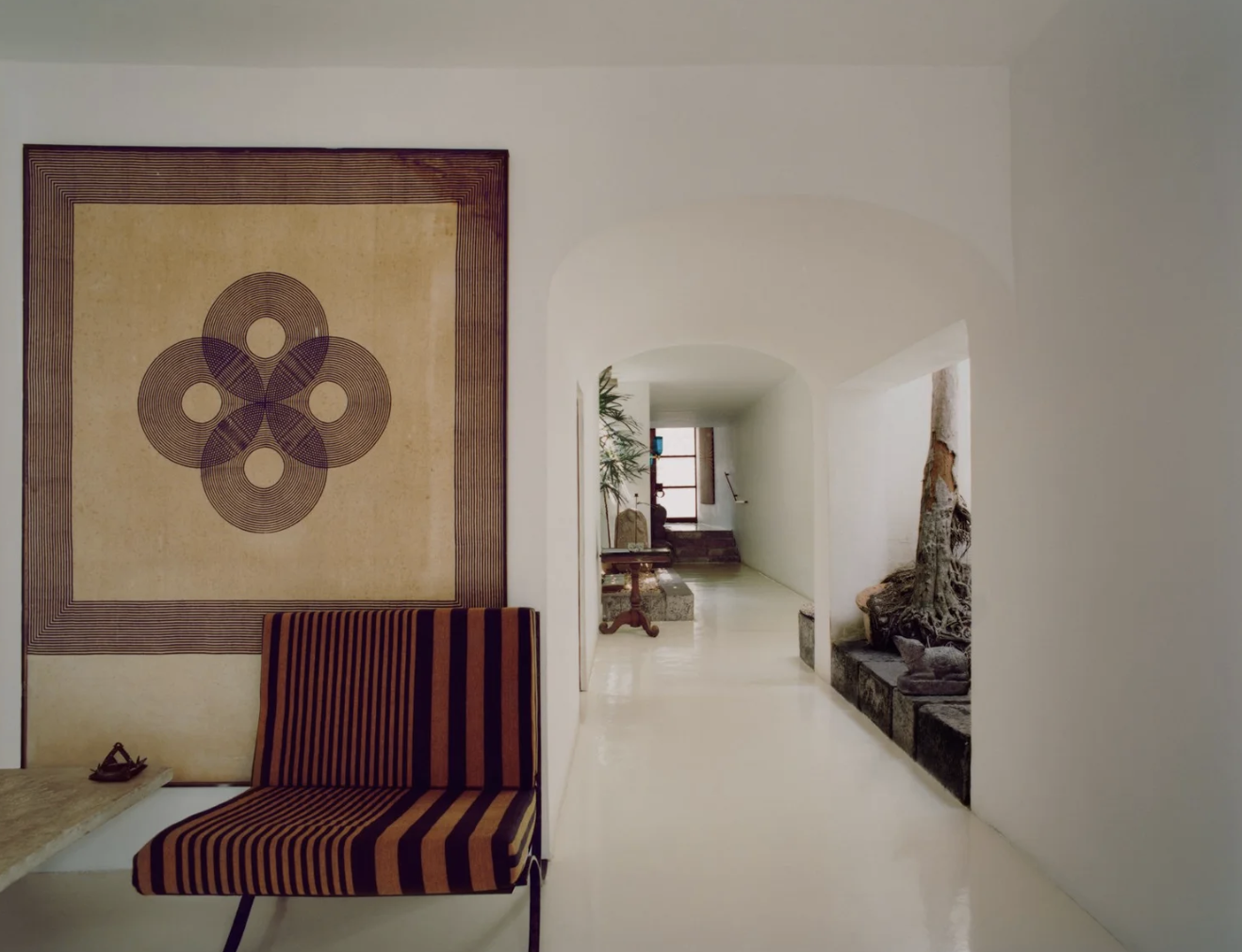
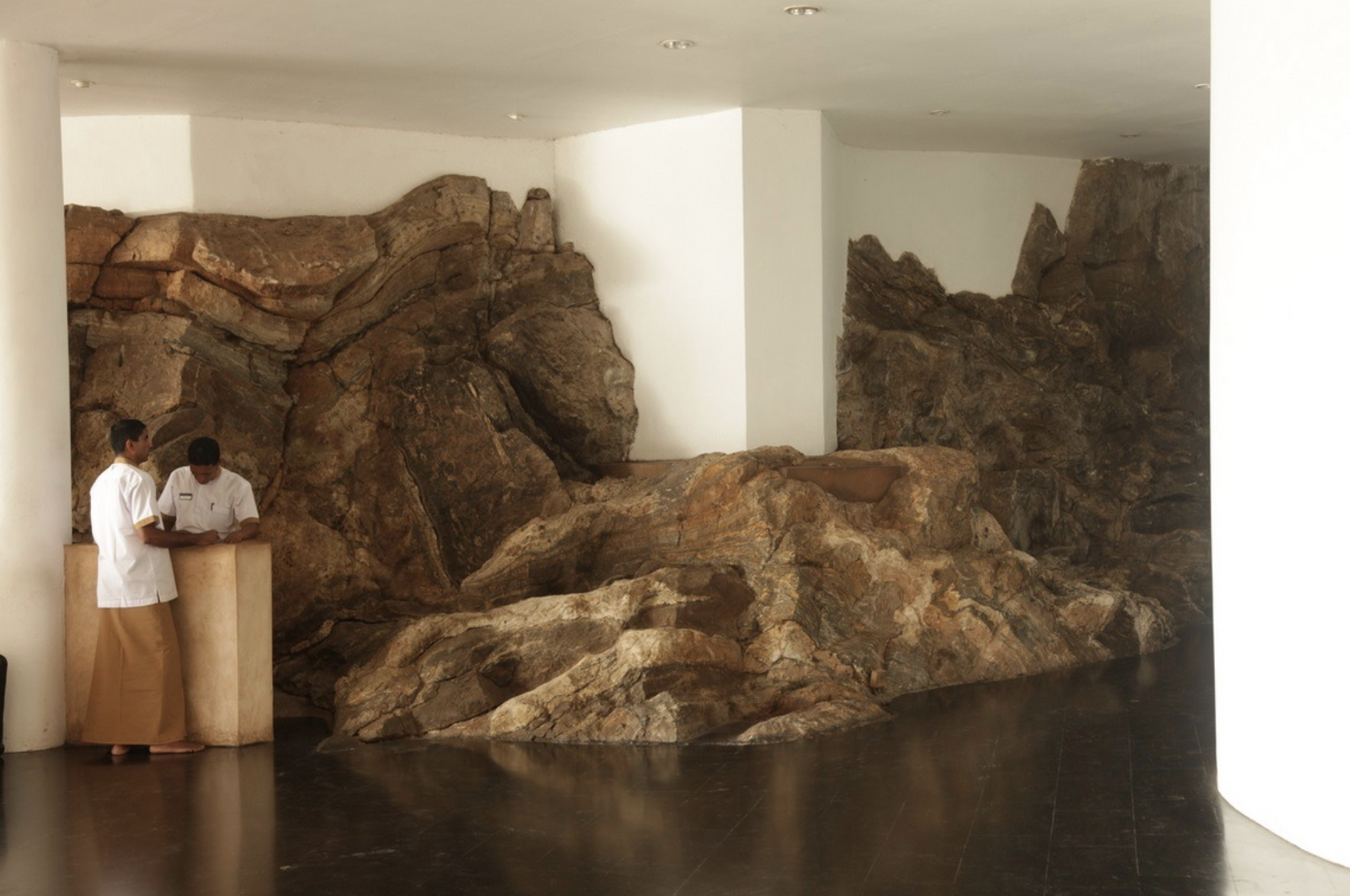
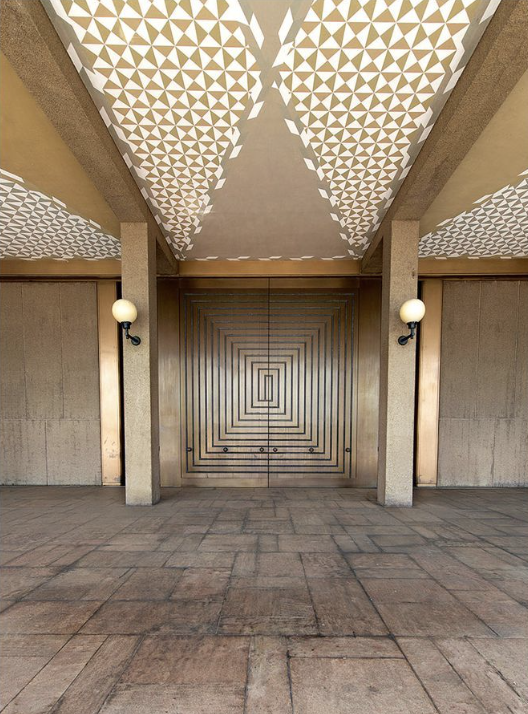
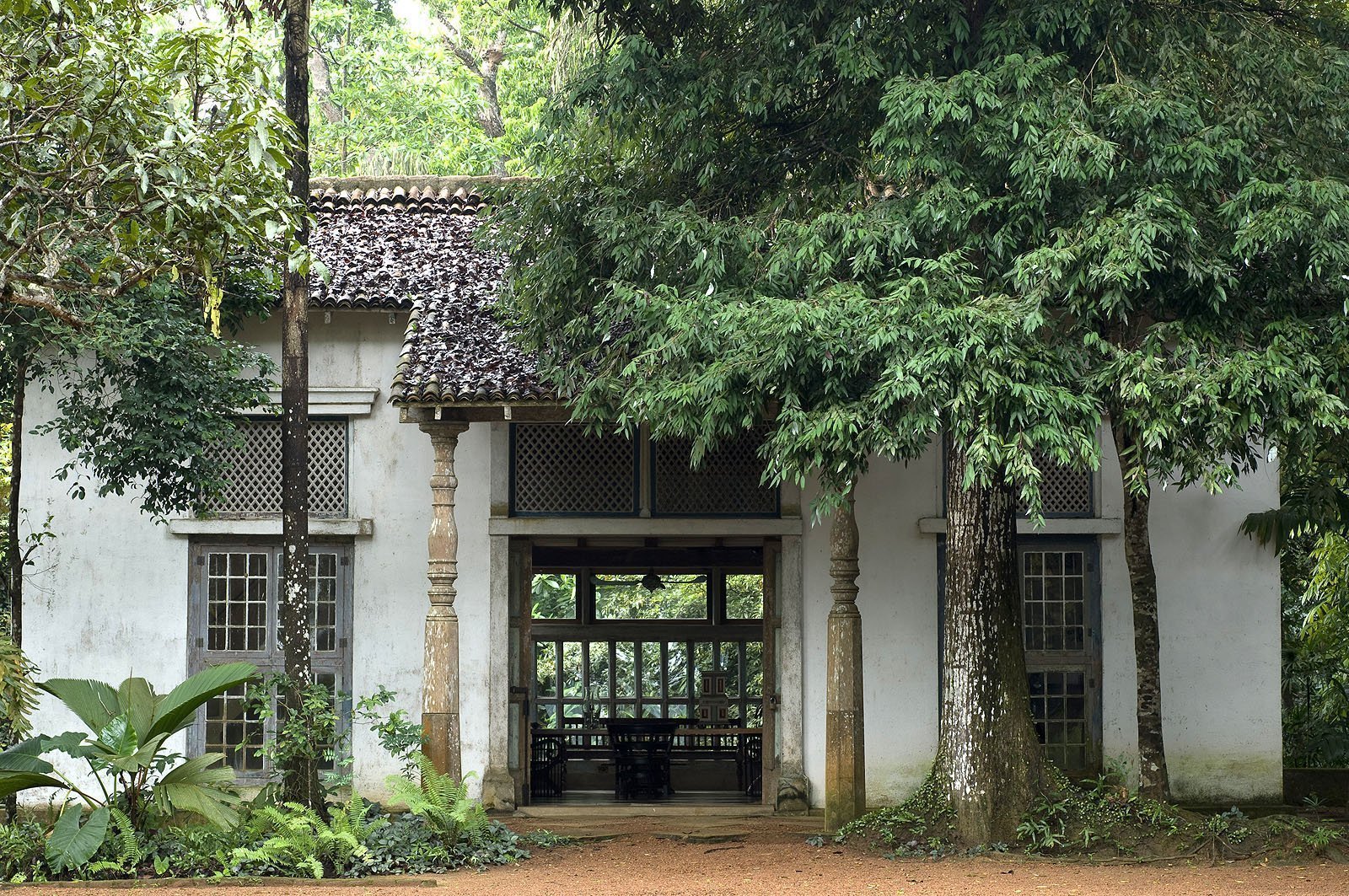
Geoffrey Bawa (1919–2003) is the architect who defined what building in the tropics could look like after colonialism. Born in Sri Lanka of Arab, British, Sri Lankan and Sinhalese descent, he came to architecture late and largely self-taught. Over five decades he produced more than 200 designs, from private homes, hotels, farms, the Parliament of Sri Lanka, the Heritance Kandalama hotel carved into a rock face overlooking an ancient reservoir.
His central argument was simple: the climate is not a problem to solve. It is the foundation to build with. Where the British had built inward-facing bungalows that shut out the heat, Bawa designed buildings that worked with it, courtyards that pulled air through, roofs extended for shade, interiors that opened into landscape without losing structure.
Bawa drew on local construction techniques not as aesthetic reference but as practical knowledge accumulated over centuries. Ancient engineering, traditional architecture, biodiversity, and craft traditions shaped his thinking.
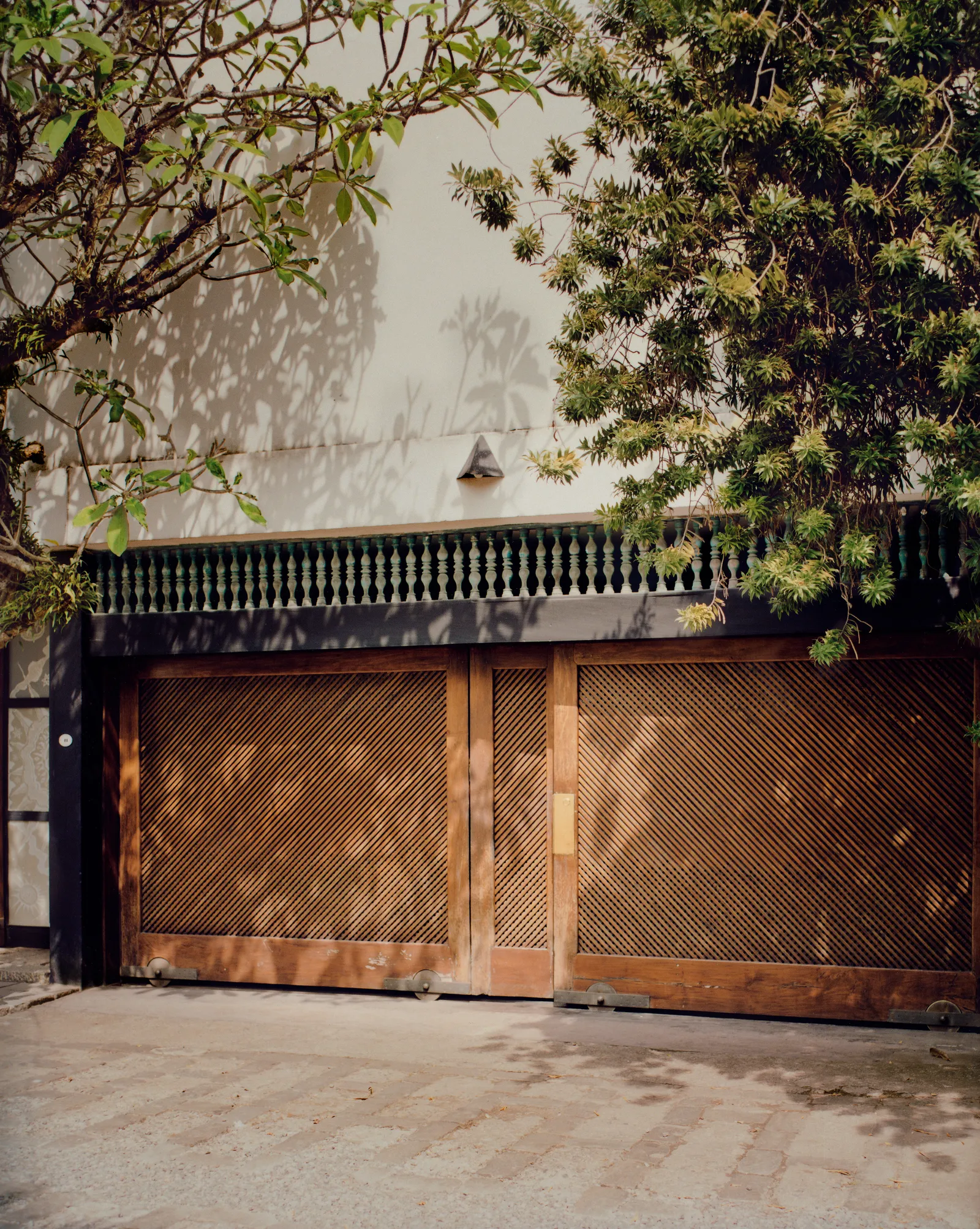
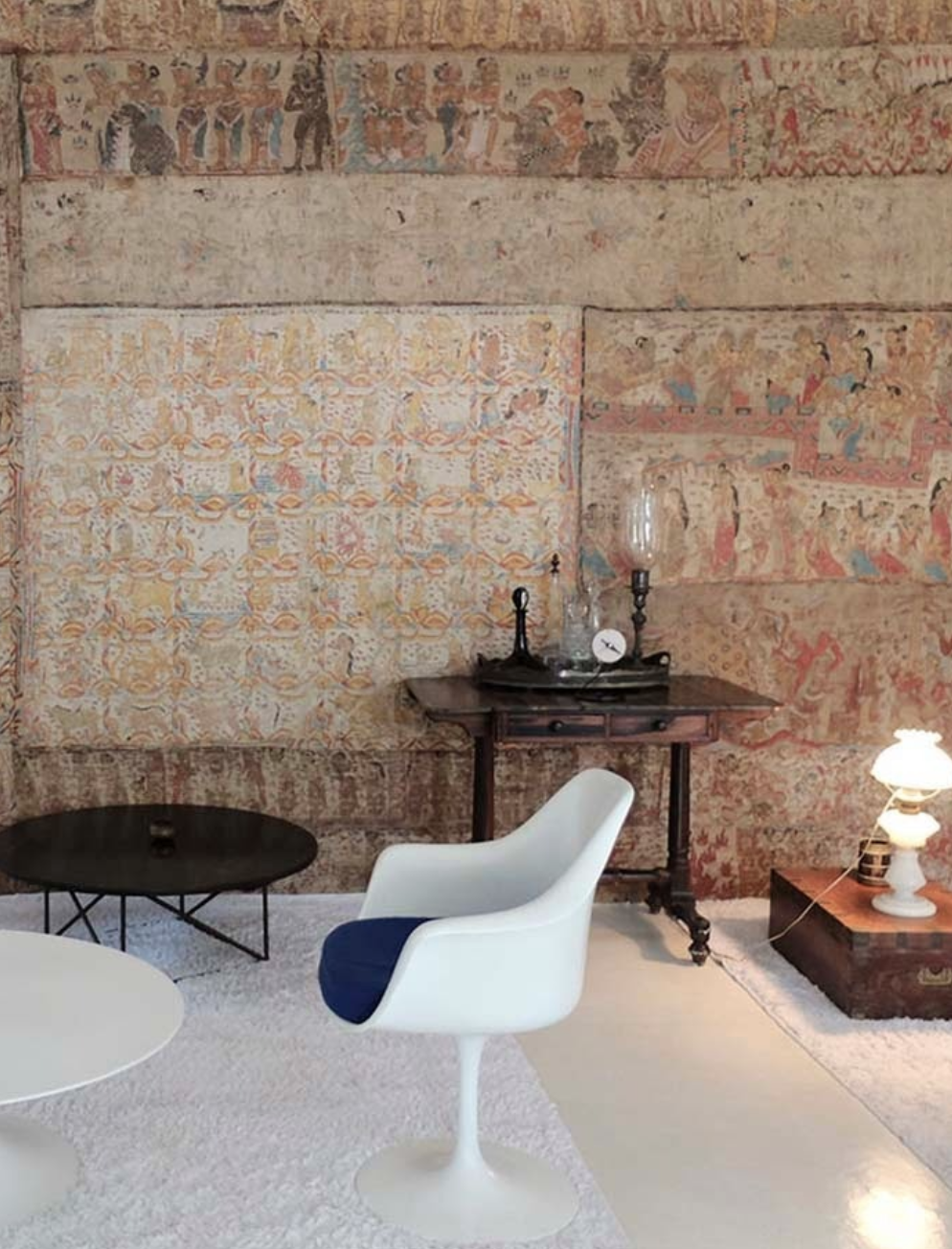
Locally the reception was deep. He worked with Sri Lankan makers, not just for them, weaving traditional crafts and arts directly into his buildings.
The industry eventually gave his work a name: Tropical Modernism. Bawa himself seemed largely indifferent to labels and recognition. Even when he received the Aga Khan Award for Architecture Lifetime Achievement Award in 2001, he remained more interested in building than in defining a style. Yet his influence proved difficult to ignore. His approach to climate, landscape and modernism went on to shape a generation of architects across South and Southeast Asia.
Some of his buildings have since been demolished. The Geoffrey Bawa Trust, established by Bawa himself in 1982, continues that work through lectures, scholarships, residencies and exhibitions in Sri Lanka and beyond. His Lunuganga estate is preserved as a living museum.
Building the storytelling and creative identity of Imane Cooking Atelier while exploring the cultural traditions behind Morocco's century-old hosting culture.
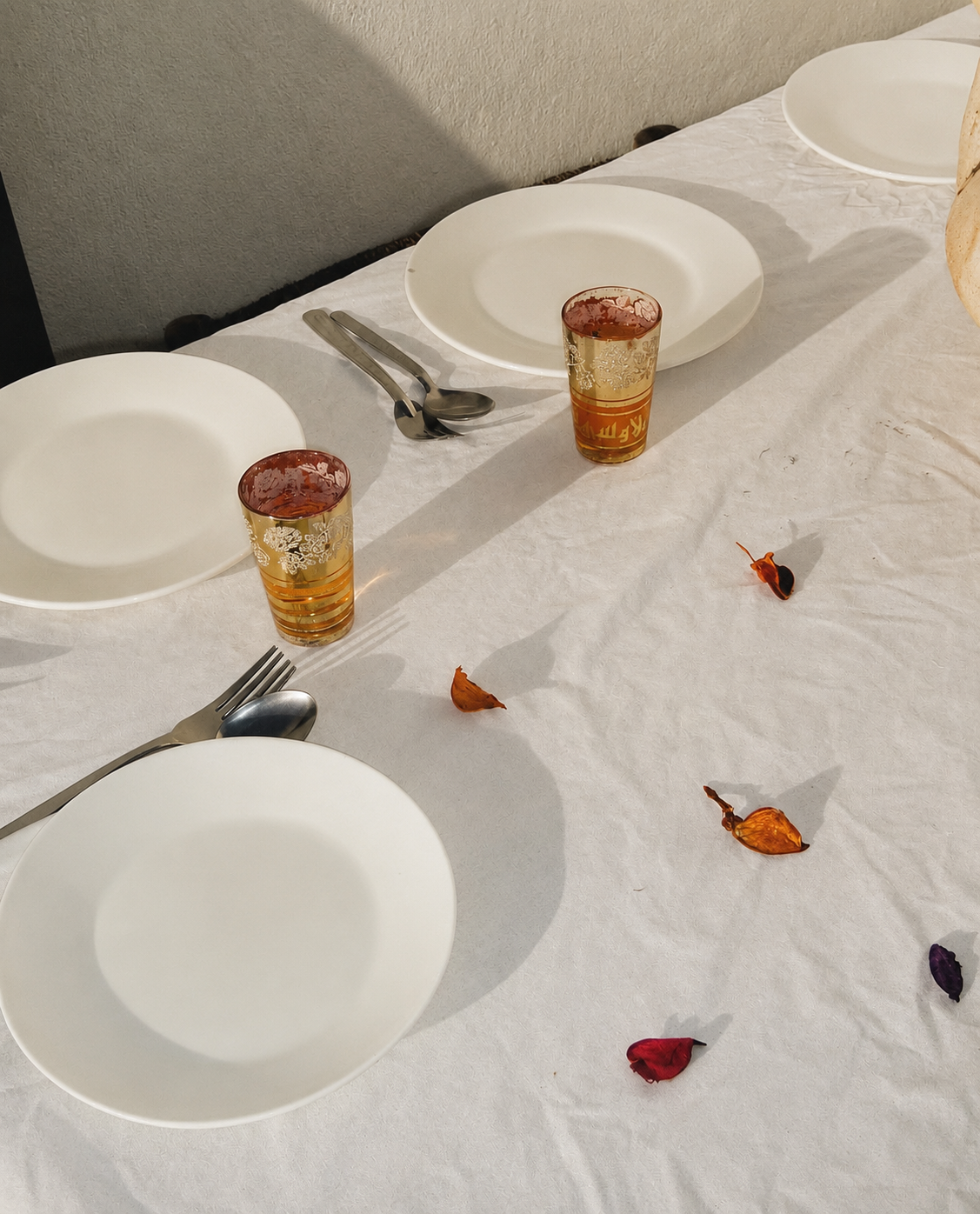
For Casawi Magazine, a look at Amsterdam-based studio Solid Nature and its reimagining of marble, geology and nature through contemporary design.